Artificial Intelligence (AI) has already made significant strides across various industries, and its impact on media and entertainment is no exception. As AI continues to evolve, it is redefining how content is created, distributed, and consumed. From automating production processes to personalizing content recommendations, AI is set to transform the media landscape in profound ways.
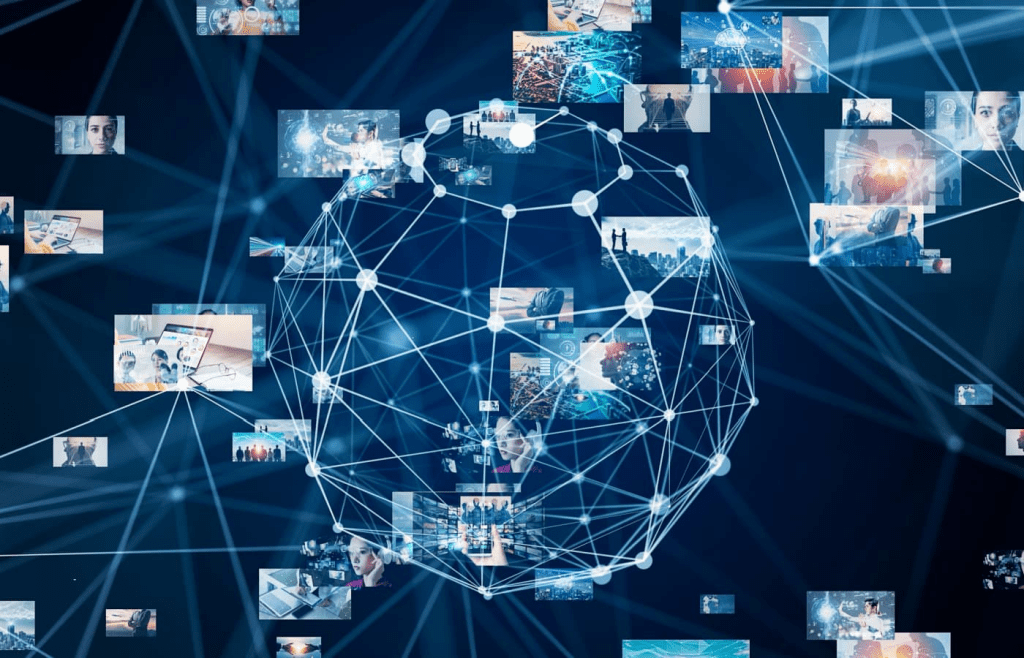
In this article, we will explore the future of AI in media and entertainment, examining its potential to revolutionize content creation, enhance audience engagement, and create new opportunities for the industry.
Introduction: AI’s Impact on Media and Entertainment
The rapid advancement of AI technologies has led to a wave of innovations in the media and entertainment sector. Whether it’s using machine learning algorithms to analyze consumer preferences or employing AI-powered tools to enhance production workflows, the possibilities are endless. AI is not only speeding up traditional processes but also opening up new avenues for creativity and innovation.
Key Trends Driving AI Adoption in Media
- Automation of content production processes
- Personalization of content delivery
- Enhanced audience interaction through AI-driven tools
As AI becomes more integrated into the industry, it promises to reshape how content is produced and experienced by audiences.
AI in Content Creation
One of the most transformative areas of AI in media is content creation. From scriptwriting to video production, AI is playing an increasingly critical role in streamlining the creative process.
AI for Script Writing and Storytelling
AI algorithms can now assist in generating scripts for movies, TV shows, and commercials. These AI-powered tools analyze vast datasets of scripts, plotlines, and character arcs, helping writers brainstorm ideas, develop characters, and even complete full scripts.
Example:
OpenAI’s GPT models, like GPT-4, can write coherent scripts based on prompts, offering creative support to screenwriters and storytellers.
AI in Video and Film Production
AI is also being used in various stages of video and film production, from editing to special effects. AI tools can automate tasks like color correction, scene transitions, and even generate CGI elements, reducing both time and cost in the production process.
Example:
Deep learning-based video editing software like Runway ML allows creators to use AI for real-time editing and compositing, making production more efficient.
AI in Content Distribution
AI is enhancing content distribution by tailoring the delivery of media to individual consumer preferences. By analyzing user data, AI can ensure that the right content reaches the right audience at the right time.
Personalized Content Recommendations
AI algorithms have revolutionized how content is recommended to users, offering personalized suggestions based on viewing habits, search history, and preferences. This enhances user experience and keeps audiences engaged for longer periods.
Example:
Streaming platforms like Netflix and Spotify use AI-driven recommendation engines to suggest personalized content, increasing user engagement and satisfaction.
AI-Powered Content Curation
AI can sift through vast amounts of media to curate content for specific audiences. This is especially useful for news organizations and platforms that need to provide timely, relevant content to users.
Example:
AI-powered tools like Curio.ai allow media outlets to automatically generate curated content lists based on trending topics and audience interests.
AI in Audience Engagement
AI is reshaping how media companies engage with their audiences by offering tools that predict consumer behavior and provide real-time feedback.
AI for Predictive Audience Analytics
AI can analyze audience behavior and preferences in real-time, allowing media companies to tailor content and advertising strategies accordingly. Predictive analytics help anticipate trends and user demands, ensuring that content is relevant and engaging.
Example:
HBO uses AI to predict viewer behavior and optimize programming schedules, ensuring higher viewership rates for popular shows.
Virtual Influencers and Chatbots
Virtual influencers, powered by AI, are becoming increasingly popular on social media platforms. These AI-driven personalities interact with audiences in real time, creating personalized experiences that blur the lines between reality and fiction.
Example:
Lil Miquela, a virtual influencer created by AI, has millions of followers on Instagram and is frequently used in brand campaigns, showing the potential of AI-driven personalities in media.
AI in Gaming and Interactive Media
AI is transforming the gaming industry, offering new ways to create and personalize gaming experiences.
AI for Procedural Content Generation
In gaming, AI can generate new worlds, characters, and scenarios autonomously, offering limitless possibilities for game developers. Procedural generation allows for the creation of large-scale, dynamic environments that evolve based on player behavior.
Example:
No Man’s Sky, an open-world game, uses AI-powered procedural generation to create an infinite universe with unique planets, ecosystems, and lifeforms.
AI in Personalized Gaming Experiences
AI algorithms analyze player behavior and preferences to adapt in-game challenges, character interactions, and storylines. This allows for more immersive and customized gaming experiences.
Example:
AI in The Last of Us Part II adapts the difficulty of the game based on how the player interacts with enemies, providing a tailored gameplay experience.
Challenges and Ethical Considerations
While the future of AI in media and entertainment is exciting, it also brings with it significant challenges and ethical considerations.
Data Privacy and Ownership
AI relies heavily on data to make decisions and predictions, raising concerns about the ownership and privacy of that data. As AI algorithms become more involved in media, ensuring that user data is handled ethically is critical.
Challenge:
Content creators and media companies must develop transparent data policies that protect user information while maximizing the benefits of AI-driven insights.
The Ethical Use of AI in Media
The use of AI in content creation and distribution raises questions about authenticity, creativity, and bias. There is a growing concern about whether AI-generated content could lead to job losses or diminish the role of human creativity in media production.
Solution:
Developing ethical frameworks for AI use in media—such as ensuring transparency in AI-generated content and maintaining a balance between human and machine creativity—will be essential for the future.
Conclusion: The Future of AI in Media and Entertainment
AI’s future in media and entertainment is full of exciting possibilities, offering tools that enhance creativity, streamline production, and provide personalized experiences for audiences. From AI-driven content creation and personalized recommendations to immersive gaming experiences and virtual influencers, AI is set to become a cornerstone of the media industry.
However, as AI continues to evolve, media companies must address ethical concerns around data privacy and the role of AI in creativity. By finding a balance between human ingenuity and AI-driven efficiency, the industry can unlock the full potential of AI while ensuring a sustainable and ethical future.
As AI technologies continue to advance, the media and entertainment industry will likely see even more profound transformations, with AI playing an integral role in shaping the future of how we create, share, and consume content.
 TechAI
Leave a comment