Introduction
The manufacturing industry is experiencing a significant transformation, driven by the integration of advanced technologies like Generative AI. Generative AI platforms are not only enhancing production efficiency but also fostering innovation by enabling manufacturers to design, simulate, and optimize processes with unprecedented precision. This article delves into the concept of generative AI platforms tailored for manufacturing, exploring their key features, applications, benefits, and the future landscape of the industry.
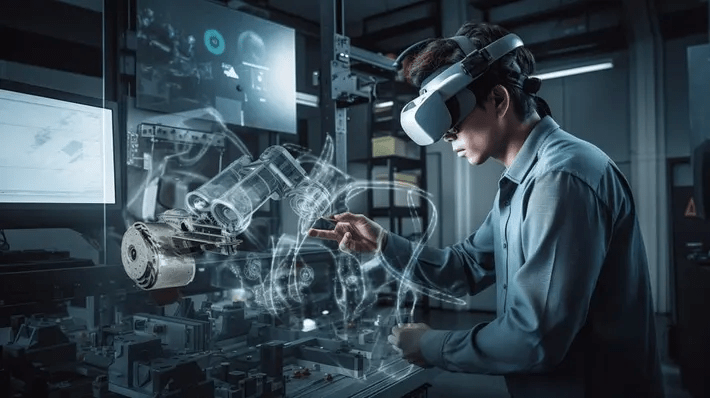
Understanding Generative AI in Manufacturing
What is Generative AI?
Generative AI refers to a class of artificial intelligence systems that can generate new content, designs, or ideas based on input data. Unlike traditional AI, which focuses on recognizing patterns or making decisions, generative AI creates something entirely new, often surpassing human creativity. In manufacturing, generative AI can be used to develop new products, optimize production processes, and enhance overall operational efficiency.
How Generative AI Platforms Work in Manufacturing
Generative AI platforms for manufacturing utilize algorithms that can learn from vast amounts of data, including design blueprints, material properties, and production metrics. These platforms can then generate multiple design alternatives, optimize existing processes, or even simulate manufacturing environments to identify the best solutions. This capability allows manufacturers to explore a broader range of possibilities, leading to innovative products and more efficient operations.
Key Features of Generative AI Platforms for Manufacturing
1. Design Automation
Generative AI platforms can automate the design process by generating multiple design alternatives based on specific parameters. This feature significantly reduces the time required for product development, allowing manufacturers to quickly iterate and refine designs.
2. Process Optimization
These platforms can analyze complex manufacturing processes and identify inefficiencies. By simulating different scenarios, generative AI can suggest optimizations that lead to cost savings, improved product quality, and faster production times.
3. Predictive Maintenance
Generative AI platforms can predict equipment failures before they occur by analyzing data from sensors and historical maintenance records. This predictive capability helps manufacturers reduce downtime and extend the lifespan of their machinery.
4. Customization and Personalization
Generative AI enables manufacturers to create customized products tailored to individual customer preferences. This feature is particularly valuable in industries where personalization is key, such as automotive and consumer goods.
5. Material Innovation
Generative AI can explore new material combinations and properties, leading to the development of innovative materials that are stronger, lighter, or more sustainable. This capability is crucial for industries focused on advanced manufacturing and material science.
Applications of Generative AI in Manufacturing
1. Product Design and Development
Generative AI platforms are revolutionizing product design by enabling engineers to explore a wide range of design possibilities. For instance, in the automotive industry, generative AI can be used to design lightweight components that maintain structural integrity while reducing material usage. This leads to more efficient and environmentally friendly vehicles.
2. Supply Chain Optimization
Generative AI can optimize supply chain operations by analyzing data on supplier performance, inventory levels, and transportation routes. By generating alternative scenarios, these platforms help manufacturers make informed decisions that minimize costs and improve delivery times.
3. Smart Manufacturing
In smart manufacturing environments, generative AI platforms can monitor and control production processes in real-time. For example, AI-driven systems can adjust machine settings based on real-time data to optimize production efficiency and ensure consistent product quality.
4. Additive Manufacturing
Additive manufacturing, or 3D printing, is one of the key areas where generative AI is making a significant impact. AI-driven design tools can create complex geometries that are difficult or impossible to achieve with traditional manufacturing methods, leading to innovative products with unique properties.
5. Sustainability Initiatives
Generative AI can contribute to sustainability efforts by optimizing resource usage and reducing waste. For example, AI-driven platforms can design products that use fewer materials or suggest production processes that minimize energy consumption, helping manufacturers achieve their sustainability goals.
Benefits of Generative AI Platforms in Manufacturing
1. Increased Efficiency
Generative AI platforms streamline various aspects of manufacturing, from design to production. By automating complex tasks and optimizing processes, these platforms enable manufacturers to achieve higher levels of efficiency, reducing time-to-market and operational costs.
2. Enhanced Innovation
Generative AI fosters innovation by allowing manufacturers to explore a broader range of design possibilities and material combinations. This capability leads to the creation of groundbreaking products and solutions that set manufacturers apart from their competitors.
3. Cost Reduction
By optimizing processes and reducing waste, generative AI platforms help manufacturers lower their production costs. Predictive maintenance also reduces the need for expensive repairs and replacements, further contributing to cost savings.
4. Improved Product Quality
Generative AI platforms enhance product quality by enabling manufacturers to design products with optimal performance characteristics. AI-driven simulations and real-time monitoring ensure that products meet or exceed quality standards, leading to higher customer satisfaction.
5. Scalability
Generative AI platforms are highly scalable, allowing manufacturers to apply AI-driven solutions across multiple production lines or facilities. This scalability is crucial for manufacturers looking to expand their operations or enter new markets.
Challenges in Implementing Generative AI Platforms
1. Data Integration
Integrating generative AI platforms with existing manufacturing systems requires access to high-quality data. Manufacturers must ensure that their data is accurate, comprehensive, and well-organized to maximize the effectiveness of AI-driven solutions.
2. Technical Expertise
Implementing and maintaining generative AI platforms requires specialized technical expertise. Manufacturers may need to invest in training or hire AI specialists to fully leverage the capabilities of these platforms.
3. Cost of Implementation
The initial cost of implementing generative AI platforms can be high, particularly for small and medium-sized enterprises. However, the long-term benefits, such as cost savings and increased efficiency, often justify the investment.
4. Change Management
Introducing generative AI into manufacturing processes requires careful change management to ensure that employees understand and embrace the new technology. Manufacturers must address potential resistance and provide adequate training to facilitate a smooth transition.
Future Outlook for Generative AI in Manufacturing
1. Expansion of Use Cases
As generative AI technology continues to evolve, its applications in manufacturing will expand. Future use cases may include fully autonomous production lines, real-time supply chain management, and advanced robotics powered by AI-driven decision-making.
2. Integration with IoT and Edge Computing
The integration of generative AI with the Internet of Things (IoT) and edge computing will further enhance manufacturing capabilities. AI-driven platforms will be able to process data at the edge, enabling real-time decision-making and faster response times.
3. Sustainability and Green Manufacturing
Generative AI will play a crucial role in advancing sustainability initiatives within the manufacturing sector. AI-driven platforms will help manufacturers optimize resource usage, reduce emissions, and develop eco-friendly products, contributing to a greener future.
4. Collaboration with Human Workers
The future of generative AI in manufacturing will likely involve closer collaboration between AI-driven systems and human workers. AI platforms will augment human capabilities, enabling workers to focus on creative problem-solving and strategic decision-making.
5. Customization at Scale
Generative AI will enable manufacturers to offer highly customized products at scale. By leveraging AI-driven design tools and automated production processes, manufacturers will be able to meet individual customer preferences while maintaining cost-efficiency.
Conclusion
Generative AI platforms are poised to revolutionize the manufacturing industry by enhancing efficiency, driving innovation, and enabling sustainable practices. While challenges remain in terms of data integration, technical expertise, and cost, the long-term benefits of adopting generative AI far outweigh the initial hurdles. As technology continues to evolve, generative AI will play an increasingly central role in shaping the future of manufacturing, offering manufacturers new opportunities to innovate, compete, and thrive in a rapidly changing market.
 TechAI
Leave a comment