Artificial Intelligence (AI) has significantly impacted various industries by streamlining processes, enhancing efficiency, and reducing operational costs. As AI continues to evolve, its applications in workflow automation are becoming more sophisticated and integral to business operations. This article explores the future trends in AI-based workflow automation, providing insights into how these advancements will shape the future of work.
Introduction to AI-Based Workflow Automation
What is AI-Based Workflow Automation?
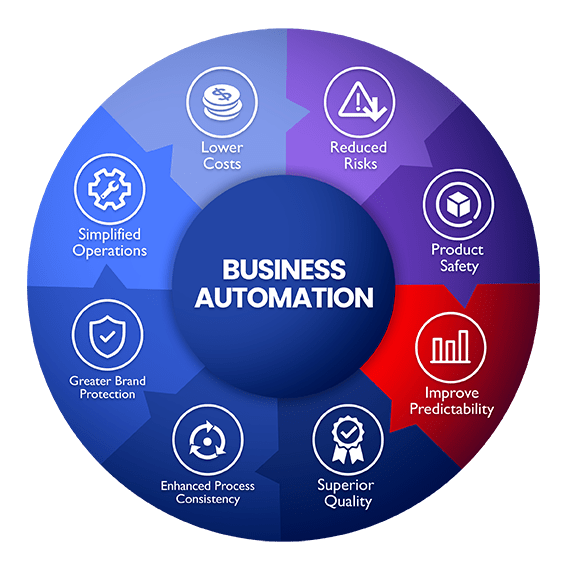
AI-based workflow automation refers to the use of artificial intelligence technologies to automate routine, repetitive tasks within business processes. This can involve tasks such as data entry, customer service interactions, financial transactions, and more. The primary goal is to increase efficiency, reduce human error, and allow employees to focus on more strategic activities.
Current State of AI Workflow Automation
Currently, AI workflow automation is being used in various sectors to perform tasks such as:
- Customer Service: Chatbots and virtual assistants handling customer queries.
- Finance: Automated transaction processing and fraud detection.
- Healthcare: Patient data management and diagnostic support.
- Human Resources: Recruitment automation and employee onboarding.
Despite its widespread adoption, the full potential of AI in workflow automation is yet to be realized. Emerging trends and technologies promise to further revolutionize this field.
Future Trends in AI-Based Workflow Automation
1. Enhanced Natural Language Processing (NLP)
Conversational AI
Future advancements in NLP will lead to more sophisticated conversational AI systems. These systems will understand and process human language with greater accuracy, enabling more natural and effective interactions between humans and machines. This will enhance customer service, internal communications, and knowledge management.
Context-Aware Systems
AI systems will become more context-aware, understanding the nuances and context of conversations. This will allow for more personalized and relevant responses, improving user experience and satisfaction.
2. Integration of Machine Learning and Predictive Analytics
Predictive Maintenance
Machine learning algorithms will be increasingly used for predictive maintenance, identifying potential issues before they become critical. This will reduce downtime and maintenance costs, particularly in industries such as manufacturing and logistics.
Enhanced Decision-Making
Predictive analytics will play a crucial role in enhancing decision-making processes. AI systems will analyze historical data and provide actionable insights, helping businesses make informed decisions and optimize their operations.
3. Intelligent Process Automation (IPA)
Combining RPA and AI
Intelligent Process Automation (IPA) combines Robotic Process Automation (RPA) with AI technologies such as machine learning and NLP. This integration will allow for more complex and cognitive automation, handling tasks that require decision-making and human-like understanding.
Adaptive Automation
IPA systems will be adaptive, learning from interactions and continuously improving their performance. This will lead to more efficient and effective automation, capable of handling dynamic and evolving business environments.
4. AI-Driven Process Mining
Discovering and Optimizing Processes
AI-driven process mining involves using AI to discover, monitor, and optimize business processes. By analyzing event logs and identifying patterns, AI can highlight inefficiencies and suggest improvements. This will lead to more streamlined and efficient workflows.
Real-Time Process Optimization
Future AI systems will be capable of real-time process optimization, dynamically adjusting workflows based on current conditions and data. This will enhance agility and responsiveness, allowing businesses to quickly adapt to changes.
5. Autonomous Systems
Self-Managing Systems
Autonomous systems will manage and optimize workflows without human intervention. These systems will monitor performance, identify issues, and make adjustments in real-time, ensuring optimal efficiency and effectiveness.
Continuous Learning and Improvement
Autonomous systems will incorporate continuous learning, improving their capabilities over time. By learning from past experiences and feedback, these systems will become more accurate and efficient in performing tasks.
6. Enhanced Security and Compliance
AI-Driven Security
AI will play a crucial role in enhancing security measures, detecting and preventing cyber threats in real-time. AI-driven security systems will analyze patterns and behaviors to identify anomalies and potential security breaches.
Compliance Automation
AI will help automate compliance processes, ensuring that businesses adhere to regulatory requirements. This will reduce the risk of non-compliance and associated penalties, while also streamlining compliance management.
7. Human-AI Collaboration
Augmented Intelligence
The future will see greater collaboration between humans and AI, where AI systems augment human capabilities rather than replace them. This will involve AI handling routine tasks while humans focus on strategic and creative aspects of work.
Enhanced User Interfaces
User interfaces will evolve to facilitate seamless interaction between humans and AI. This includes more intuitive and user-friendly interfaces, voice-activated controls, and immersive experiences using technologies like augmented reality (AR) and virtual reality (VR).
8. Ethical AI and Responsible Automation
Addressing Bias
As AI becomes more integral to business operations, addressing bias in AI systems will be crucial. Future AI systems will incorporate techniques to identify and mitigate biases, ensuring fair and unbiased outcomes.
Ethical Considerations
Implementing AI responsibly will involve adhering to ethical guidelines and principles. This includes ensuring transparency, accountability, and fairness in AI systems, as well as protecting user privacy and data security.
Challenges and Considerations
Data Quality and Integration
Ensuring high-quality data and seamless integration with existing systems will be a critical challenge. Businesses will need to invest in data governance and integration strategies to maximize the effectiveness of AI systems.
Talent and Skills
The shortage of skilled professionals in AI and machine learning remains a significant challenge. Organizations will need to invest in training and development to build the necessary expertise for implementing and managing AI systems.
Cost and Resource Allocation
The initial investment in AI technologies can be substantial. Businesses will need to carefully allocate resources and plan their budgets to support AI initiatives, including ongoing maintenance and updates.
Change Management
Implementing AI-based workflow automation requires effective change management strategies. This involves addressing employee concerns, providing adequate training, and fostering a culture that embraces innovation and technological advancements.
Conclusion
The future of AI-based workflow automation is promising, with numerous advancements and trends poised to transform business operations. Enhanced natural language processing, intelligent process automation, AI-driven process mining, and autonomous systems are just a few of the innovations that will drive efficiency, productivity, and growth.
However, businesses must also navigate the challenges associated with implementing AI technologies. Ensuring data quality, building skilled teams, managing costs, and addressing ethical considerations are crucial for successful AI integration.
By staying informed about emerging trends and adopting a strategic approach to AI implementation, businesses can harness the full potential of AI-based workflow automation and position themselves for success in the digital age. Embracing these advancements will not only improve operational efficiency but also create new opportunities for innovation and competitive advantage.
 TechAI
Leave a comment