In recent years, Large Language Models (LLMs) have emerged as game-changers in the field of artificial intelligence, revolutionizing the way businesses operate and transforming various industries. In this comprehensive article, we’ll delve into the profound impact of LLM services across different sectors, exploring their role in driving innovation, enhancing productivity, and shaping the future of industries worldwide.
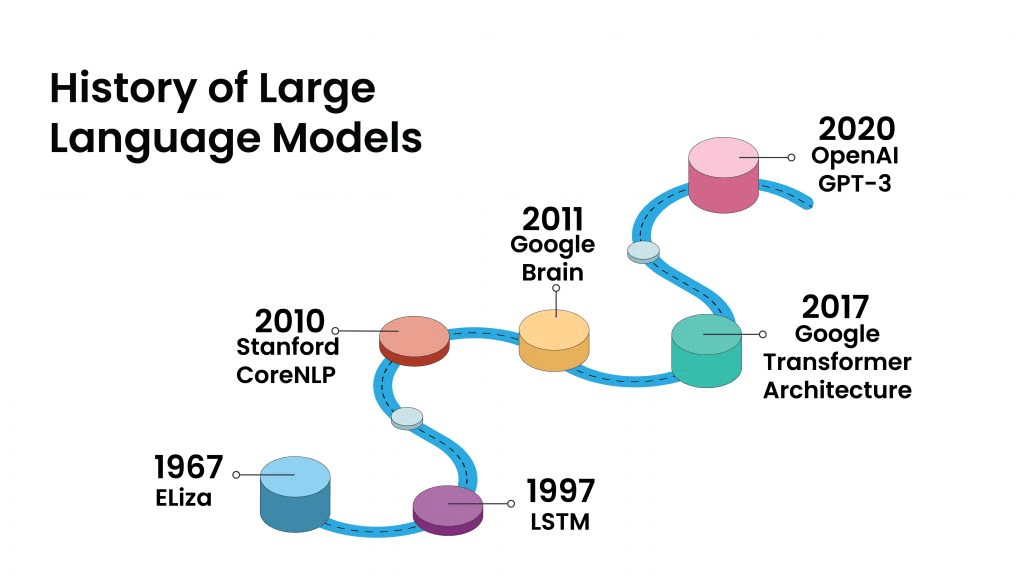
Understanding LLM Services
Before we delve into their impact, let’s first understand what LLM services entail:
Definition of LLM Services:
LLM services encompass a wide range of offerings provided by companies specializing in large language models. These services include model development, customization, integration, deployment, and ongoing support. LLM services leverage state-of-the-art natural language processing (NLP) techniques to enable tasks such as text generation, sentiment analysis, language translation, and more.
Role of LLM Service Providers:
LLM service providers play a crucial role in helping organizations harness the power of language models to solve complex problems, streamline operations, and gain actionable insights from textual data. They offer tailored solutions designed to meet the unique needs and requirements of their clients, spanning various industries and use cases.
Now, let’s explore the impact of LLM services on different sectors:
Impact of LLM Services Across Industries
1. Retail Industry:
- Enhanced Customer Experience: LLM services enable retailers to personalize customer interactions, provide targeted product recommendations, and offer intelligent virtual assistants for enhanced shopping experiences.
- Demand Forecasting: By analyzing vast amounts of textual data, LLM services help retailers forecast demand more accurately, optimize inventory management, and minimize stockouts and overstock situations.
2. Finance Sector:
- Risk Management: LLM services assist financial institutions in analyzing unstructured data from various sources to assess risks, detect fraudulent activities, and enhance compliance with regulatory requirements.
- Customer Support: Chatbots powered by LLM services provide instant responses to customer queries, facilitate self-service options, and improve overall customer satisfaction in the banking and financial services sector.
3. Healthcare Domain:
- Clinical Documentation: LLM services automate clinical documentation processes, convert voice notes into structured text, and assist healthcare professionals in creating accurate and detailed medical records, leading to improved efficiency and accuracy.
- Medical Research: LLM services support medical researchers in analyzing vast amounts of scientific literature, extracting insights, and identifying potential drug candidates or treatment options for various diseases.
4. E-commerce Sector:
- Product Description Generation: LLM services generate compelling product descriptions, enhance search engine optimization (SEO), and drive conversions by providing detailed and informative content for e-commerce websites.
- Sentiment Analysis: By analyzing customer reviews and social media conversations, LLM services help e-commerce companies understand customer sentiments, identify trends, and make data-driven decisions to improve products and services.
5. Education Field:
- Personalized Learning: LLM services support personalized learning experiences by generating adaptive educational content, quizzes, and exercises tailored to individual student needs, learning styles, and proficiency levels.
- Automated Grading: LLM services automate the grading process for assignments, quizzes, and exams, providing timely feedback to students and reducing the administrative burden on educators.
6. Media and Entertainment:
- Content Creation: LLM services enable media companies to automate content creation processes, generate engaging articles, scripts, and marketing copy, and deliver personalized content recommendations to users based on their preferences and interests.
- Content Moderation: LLM services assist media platforms in moderating user-generated content, detecting inappropriate or harmful material, and ensuring a safe and positive online environment for users.
Future Outlook
Looking ahead, the impact of LLM services is poised to grow even further, driven by advancements in AI technology, increased adoption across industries, and evolving customer expectations. Key trends shaping the future of LLM services include:
1. Continued Innovation:
- LLM service providers will continue to innovate and develop more advanced language models capable of handling complex tasks and understanding nuanced language patterns.
2. Ethical and Responsible AI:
- There will be a greater emphasis on ethical and responsible AI practices, with LLM service providers implementing measures to mitigate bias, ensure fairness, and protect user privacy.
3. Cross-Industry Collaboration:
- Collaboration between LLM service providers and industry stakeholders will increase, leading to the development of tailored solutions for specific verticals and use cases.
4. Regulatory Compliance:
- LLM service providers will invest in ensuring compliance with regulatory requirements and data protection laws, enhancing transparency and accountability in model development and deployment.
5. User-Centric Design:
- LLM service providers will prioritize user-centric design principles, focusing on creating intuitive interfaces, seamless user experiences, and accessible solutions for diverse user groups.
Conclusion
In conclusion, the impact of LLM services on various industries is profound and far-reaching, empowering organizations to unlock new opportunities, drive innovation, and stay ahead in today’s competitive landscape. By leveraging the capabilities of large language models, businesses can gain deeper insights, make more informed decisions, and deliver exceptional experiences to their customers. As we embrace the transformative potential of LLM services, it’s essential to prioritize ethical considerations, foster collaboration, and strive for responsible AI development to create a more inclusive and sustainable future for all.
 TechAI
Leave a comment