Introduction
In the fast-paced and complex landscape of modern supply chains, major corporations face the ongoing challenge of optimizing inventory management to meet customer demands while minimizing costs. The integration of Artificial Intelligence (AI) has emerged as a transformative force, shifting inventory management from mere prediction to precision.
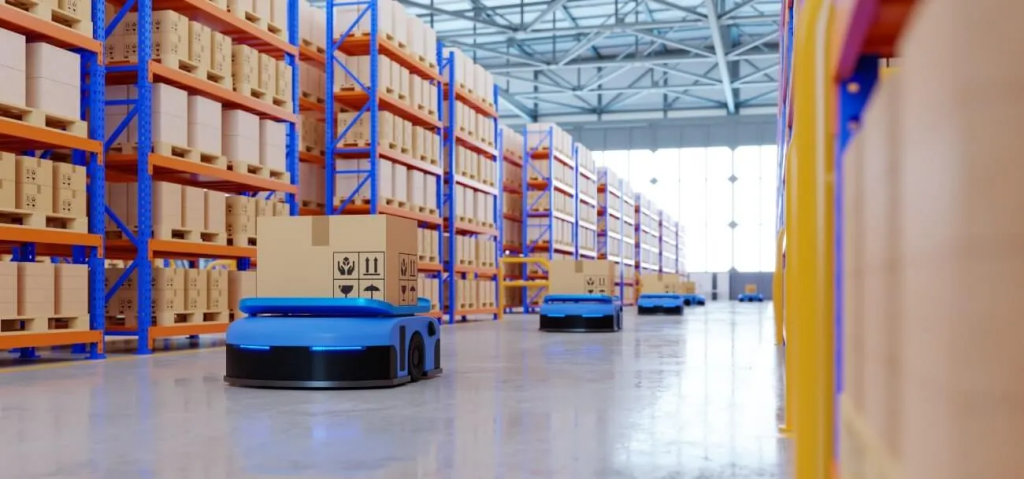
This article delves into how AI based inventory management empowers major corporations by revolutionizing inventory optimization, offering insights, adaptability, and efficiency like never before.
1. The Transition: From Prediction to Precision
1.1 Traditional Inventory Management Challenges
Traditional inventory management often relies on historical data and manual processes, leading to inaccuracies in demand forecasting, delayed decision-making, and suboptimal stock levels. Predictions based on static models struggle to adapt to dynamic market conditions, hindering corporations’ ability to stay ahead in the competitive landscape.
1.2 The Role of AI in Shifting Paradigms
AI introduces a paradigm shift by moving beyond simple predictions. Advanced machine learning algorithms, real-time analytics, and adaptive technologies enable corporations to achieve precision in inventory management. The focus shifts from broad predictions to fine-tuned, real-time adjustments, ensuring optimal stock levels, efficient order fulfillment, and enhanced customer satisfaction.
2. AI-Driven Demand Forecasting for Precision Planning
2.1 Precision in Forecasting
AI-driven demand forecasting harnesses the power of machine learning algorithms to analyze vast datasets, including historical sales data, market trends, and external factors. This precision allows major corporations to anticipate customer demands with a higher degree of accuracy, reducing the risk of overstocking or stockouts.
2.2 Adaptive Learning Mechanisms
One of the key strengths of AI is its ability to adapt continuously. Machine learning algorithms, through adaptive learning mechanisms, refine their predictions over time. This adaptability ensures that major corporations can navigate through shifting market dynamics, seasonal trends, and unforeseen disruptions with precision.
2.3 Real-Life Application: Global Retail Giants
Major retail corporations, such as Amazon and Walmart, leverage AI-driven demand forecasting to optimize their inventory. By analyzing a multitude of factors, including online customer behavior, market trends, and external events, these giants can anticipate demand patterns and adjust their stock levels with unparalleled precision.
3. Real-Time Analytics: A Catalyst for Precision Decision-Making
3.1 Instantaneous Insights
AI enables major corporations to move beyond retrospective analysis. Real-time analytics, powered by AI, provides instantaneous insights into inventory movements, customer behaviors, and supply chain activities. This immediacy empowers corporations to make precision decisions in the moment, avoiding delays and seizing opportunities.
3.2 Responsive Supply Chain Management
Real-time analytics extends visibility across the supply chain. Major corporations gain the ability to respond promptly to changes, disruptions, and fluctuations in demand. The result is a supply chain that operates with precision, adjusting inventory levels and distribution strategies in real time.
3.3 Case Study: Automotive Industry Leaders
In the automotive sector, major corporations like Toyota and Ford use AI-powered real-time analytics to monitor global supply chain activities. This allows them to respond immediately to changes in demand, supply chain disruptions, and optimize inventory levels for different regions, ensuring precision in their operations.
4. Computer Vision and Automated Tracking: Precision in Monitoring
4.1 Automated Precision Tracking
Computer vision, an integral part of AI, is employed for automated tracking of inventory items. This technology utilizes cameras, sensors, and image recognition algorithms to provide major corporations with precise and automated monitoring of their inventory, minimizing the need for manual interventions.
4.2 Enhanced Accuracy and Efficiency
By automating tracking processes, computer vision enhances accuracy and efficiency in major corporations’ inventory management. Real-time updates on inventory movements and conditions contribute to a more precise understanding of stock levels and item locations.
4.3 Implementation in E-commerce Giants
E-commerce giants like Alibaba and eBay leverage computer vision for automated tracking of products in their vast warehouses. This ensures precise monitoring of inventory levels, facilitating efficient order fulfillment and reducing the likelihood of errors in item location and shipping.
5. Natural Language Processing (NLP): Enhancing Communication and Interpretation
5.1 Streamlining Communication
Natural Language Processing (NLP) in inventory management improves communication between systems and humans. Major corporations benefit from systems that can interpret and respond to textual data, enhancing the precision of communication within the supply chain.
5.2 Interpretation of Unstructured Data
NLP algorithms excel in interpreting unstructured data, such as product descriptions, customer feedback, and communication logs. This precision in data interpretation contributes to more informed decision-making by major corporations.
5.3 Use Case: Pharmaceutical Industry Compliance
In the pharmaceutical industry, where precise communication and interpretation are vital for compliance, major corporations utilize NLP to analyze and interpret regulatory documents. This ensures precision in understanding and adhering to complex compliance requirements.
6. Internet of Things (IoT) Integration: Real-Time Monitoring for Precision
6.1 Real-Time Monitoring of Conditions
The integration of IoT devices in inventory management provides major corporations with real-time monitoring capabilities. Sensors attached to inventory items and storage facilities continuously collect data on conditions, movements, and other crucial factors.
6.2 Predictive Maintenance for Precision Operations
IoT data contributes to predictive maintenance, enabling major corporations to anticipate equipment failures. This proactive approach ensures precision in maintenance scheduling, reducing downtime and optimizing overall operational efficiency.
6.3 Precision in Cold Chain Management
In industries such as pharmaceuticals and food, major corporations employ IoT devices for precision in monitoring temperature conditions. This ensures that products are stored and transported within specified temperature ranges, maintaining quality and compliance.
7. Predictive Analytics: Precision for Inventory Optimization
7.1 Optimizing Inventory Levels
Predictive analytics utilizes statistical algorithms and machine learning to analyze historical data and make predictions. Major corporations leverage this precision technology to optimize inventory levels based on historical and real-time data, ensuring a balance between supply and demand.
7.2 Proactive Decision-Making
The predictive nature of analytics allows major corporations to make proactive decisions. By predicting potential disruptions and trends, corporations can take precision actions to maintain operational efficiency and meet customer demands.
7.3 Case Study: Electronics Manufacturing Giants
In the highly dynamic electronics manufacturing industry, major corporations like Apple and Samsung use predictive analytics to optimize their inventory levels. This precision approach ensures that they can respond swiftly to changing market demands and technological trends.
8. Autonomous Inventory Management Systems: Precision Automation
8.1 Automation for Precision
Autonomous inventory management systems leverage AI technologies to automate various aspects of inventory control. Major corporations benefit from precision automation in tasks such as order processing, inventory allocation, and demand forecasting.
8.2 Continuous Optimization
These systems continuously optimize inventory levels through machine learning, ensuring a precision-driven approach to adapting to changing market conditions, demand patterns, and supply chain disruptions.
8.3 Precision in Large-Scale Warehousing
Major corporations with extensive warehousing operations, such as logistics giants FedEx and UPS, implement autonomous inventory management systems for precision in large-scale operations. This automation reduces manual errors, enhances efficiency, and ensures continuous optimization.
9. Blockchain Integration: Precision and Transparency
9.1 Transparent and Secure Transactions
Blockchain, a decentralized and distributed ledger technology, provides major corporations with precision in inventory transactions. Each transaction is recorded in a secure and transparent chain, ensuring data integrity and reducing the risk of fraud.
9.2 Precision in Cross-Border Logistics
For major corporations involved in international supply chains, blockchain integration ensures precision in transactions. It creates a secure and transparent record of transactions between various parties, minimizing discrepancies and ensuring compliance.
9.3 Ensuring Pharmaceutical Supply Chain Integrity
In the pharmaceutical industry, major corporations integrate blockchain for precision in tracking and verifying the authenticity of drugs throughout the supply chain. This ensures compliance with regulatory requirements and maintains the integrity of the pharmaceutical supply chain.
10. Robotic Process Automation (RPA): Streamlining for Precision Efficiency
10.1 Efficiency Through Automation
Robotic Process Automation (RPA) involves using software robots to automate routine tasks in inventory management. Major corporations deploy RPA to streamline processes such as data entry, order processing, and documentation.
10.2 Precision in Order Processing
RPA is implemented by major corporations to ensure precision in order processing. Automation reduces the likelihood of errors associated with manual data entry and processing, contributing to overall efficiency.
10.3 Enhancing Efficiency in Manufacturing
In manufacturing, major corporations use RPA for precision in automating routine tasks. This includes updating inventory records, processing orders, and managing documentation, ensuring streamlined operations and minimizing errors.
Conclusion
From prediction to precision, the integration of AI technologies in inventory management has transformed how major corporations optimize their supply chains. The shift towards precision-driven approaches empowers corporations to adapt swiftly to dynamic market conditions, respond to disruptions in real time, and maintain optimal inventory levels. The combination of AI-driven demand forecasting, real-time analytics, computer vision, and other advanced technologies ensures major corporations achieve unprecedented levels of efficiency and accuracy in their inventory management.
As major corporations continue to embrace AI for inventory optimization, the future promises even more innovative applications. The synergy between AI and inventory management represents not only a technological advancement but a strategic imperative for corporations aiming to thrive in the dynamic landscape of modern supply chains. Precision in inventory management is not just a goal; it’s the cornerstone for major corporations to achieve sustained success and resilience in an ever-evolving business environment.
 TechAI
Leave a comment