Introduction
In an era of rapid technological advancements, the role of Artificial Intelligence (AI) in logistics has become increasingly pivotal. Organizations across the supply chain are recognizing the transformative potential of AI solutions in enhancing efficiency, optimizing processes, and driving innovation. This article aims to provide a comprehensive guide on how to implement AI solutions in supply chain and logistics, with a focus on key considerations, strategies, and best practices.
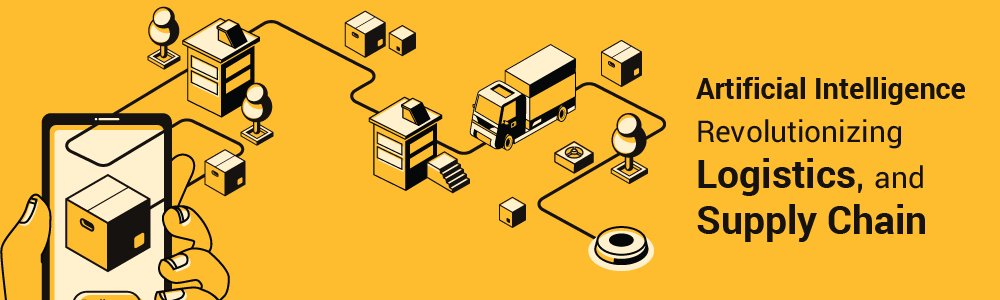
I. Understanding the Role of AI in Logistics
1.1 Defining the Scope
Before delving into implementation strategies, it’s crucial to understand the diverse roles of AI in logistics. From demand forecasting and route optimization to predictive analytics and automation, AI contributes to various facets of the supply chain, offering opportunities for improvement and innovation.
1.2 Key AI Applications in Logistics
a. Demand Forecasting: AI leverages historical data and market trends to predict demand accurately, optimizing inventory levels.
b. Route Optimization: AI algorithms analyze real-time data to optimize transportation routes, reducing costs and improving delivery times.
c. Predictive Analytics: AI-driven predictive models anticipate potential disruptions and facilitate proactive decision-making.
d. Automation: Robotics and AI-powered systems automate routine tasks in warehouses, improving efficiency and accuracy.
II. Strategic Planning for AI Implementation
2.1 Assessing Organizational Readiness
Before implementing AI solutions, organizations need to assess their readiness for this transformative journey. This involves evaluating existing systems, data quality, and the overall digital maturity of the supply chain.
2.2 Defining Clear Objectives and Goals*
Establishing clear objectives is fundamental to successful AI implementation. Whether the focus is on cost reduction, efficiency improvement, or enhancing customer satisfaction, having well-defined goals provides a roadmap for the implementation process.
2.3 Identifying Key Performance Indicators (KPIs)*
Identifying relevant Key Performance Indicators ensures that the impact of AI implementation can be measured effectively. KPIs may include improvements in delivery times, inventory turnover, cost reduction, and customer satisfaction metrics.
III. Data Quality and Integration
3.1 Ensuring Data Quality*
AI relies heavily on data, making data quality a critical consideration. Organizations must invest in data cleansing, normalization, and validation processes to ensure the accuracy and reliability of the data used by AI algorithms.
3.2 Integration with Existing Systems*
Seamless integration with existing systems is paramount for successful AI implementation. Compatibility and interoperability between AI solutions and legacy systems ensure a smooth transition and prevent disruptions in ongoing operations.
IV. Selecting the Right AI Solutions
4.1 Vendor Evaluation and Selection*
Choosing the right AI solution provider is a crucial step. Organizations should evaluate vendors based on their expertise in logistics, track record, scalability of solutions, and the ability to provide ongoing support.
4.2 Customization vs. Out-of-the-Box Solutions*
Organizations must decide whether to opt for customizable AI solutions tailored to specific needs or out-of-the-box solutions that offer quicker implementation. The choice depends on the complexity of logistics operations and the unique requirements of the organization.
V. Building a Cross-functional Implementation Team
5.1 Collaboration Across Departments*
Implementing AI in logistics requires collaboration across various departments, including IT, operations, and logistics. Building a cross-functional team ensures that different perspectives are considered, and the implementation aligns with organizational goals.
5.2 Training and Upskilling*
Providing training and upskilling opportunities for existing employees is essential. This ensures that the workforce is well-equipped to understand, operate, and manage the AI solutions integrated into logistics operations.
VI. Pilot Programs and Iterative Implementation
6.1 Pilot Testing for Validation*
Before full-scale implementation, organizations should conduct pilot programs to validate the effectiveness of AI solutions. This allows for fine-tuning, identification of potential challenges, and optimization of the implementation strategy.
6.2 Iterative Approach for Continuous Improvement*
AI implementation in logistics should be viewed as an iterative process. Continuous feedback, monitoring of performance metrics, and a commitment to ongoing improvement ensure that the AI solutions evolve with the changing dynamics of the supply chain.
VII. Addressing Ethical and Regulatory Considerations
7.1 Data Privacy and Security*
Organizations must prioritize data privacy and security when implementing AI solutions. Compliance with data protection regulations, such as GDPR, and the implementation of robust cybersecurity measures are non-negotiable.
7.2 Ethical Use of AI*
Ensuring the ethical use of AI involves transparency in decision-making processes, avoiding biases, and addressing concerns related to the impact of AI on employment. Organizations must adopt ethical AI principles to build trust among stakeholders.
VIII. Scaling AI Solutions in Logistics
8.1 Scalability Planning*
Once the pilot programs are successful, organizations need a robust plan for scaling AI solutions. This involves assessing the scalability of the chosen solutions, ensuring they can handle increased volumes, and accommodating future growth.
8.2 Continuous Innovation*
The field of AI is ever-evolving, and organizations should foster a culture of continuous innovation. Staying informed about emerging technologies and trends ensures that logistics operations remain at the forefront of industry advancements.
IX. Case Studies: Exemplifying Successful AI Implementation in Logistics
9.1 Amazon: AI in Warehouse Operations*
Amazon’s extensive use of robotics and AI in warehouse operations is a prime example of successful implementation. Automated systems handle tasks like picking, packing, and sorting, improving efficiency and reducing operational costs.
9.2 UPS: Route Optimization with AI*
UPS employs AI for route optimization, considering factors such as traffic conditions and delivery constraints. This has led to significant cost savings, improved delivery times, and enhanced customer satisfaction.
X. Future Trends in AI Implementation for Logistics
10.1 Integration with Blockchain*
The integration of AI with blockchain technology holds promise for enhancing transparency and traceability in logistics operations. This collaboration can streamline processes like supply chain finance, smart contracts, and secure data sharing.
10.2 AI for Real-time Risk Management*
The future sees AI playing a more significant role in real-time risk management. Predictive analytics will enable organizations to identify and mitigate risks promptly, ensuring resilience in the face of unexpected challenges.
Conclusion
The implementation of AI solutions in logistics is not just a technological upgrade; it’s a strategic move towards a more efficient, responsive, and innovative supply chain ecosystem. By understanding the role of AI, strategically planning, focusing on data quality, and addressing ethical considerations, organizations can navigate the complexities of implementation successfully. The collaboration between human expertise and AI innovation promises a future where logistics operations are not just optimized but are also adaptive to the ever-changing dynamics of the supply chain landscape. Embracing AI in logistics is not just about adopting technology; it’s about navigating the future with agility and foresight.
 TechAI
Leave a comment